

Table of Contents
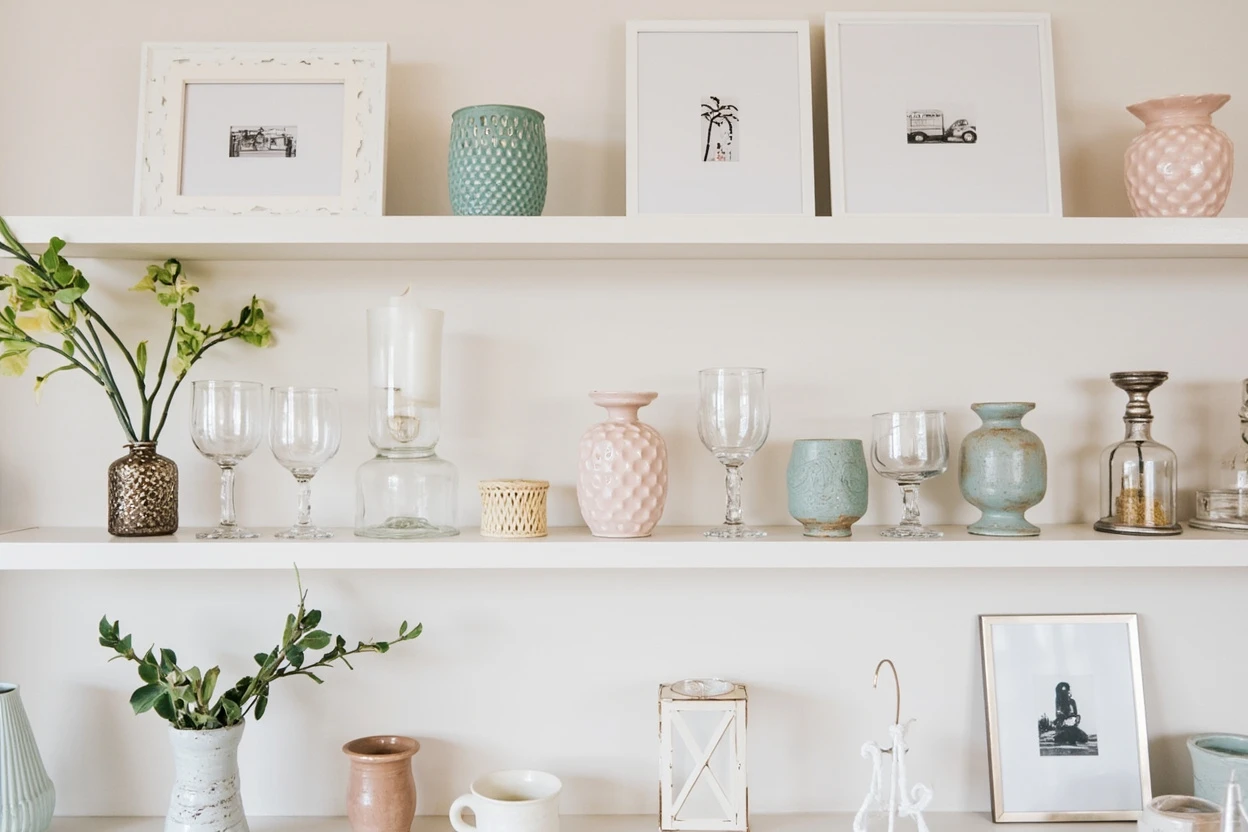
The global Picture Frames & Wall Gallery sector serves consumers worldwide with diverse solutions.
1. Industry Overview
The picture frame is no longer a passive border for a photograph. By 2026, the U.S. picture frame market is projected to reach $2.37 billion, according to industry forecasts. This isn't just inflation—it's a fundamental shift in how consumers treat their walls. Wall galleries have become the new living room focal point, replacing the oversized television as the anchor of personal expression. What makes this sub-topic distinctive within the broader home decor industry is its dual role: frames are both functional hardware and decorative accessories. They sit at the intersection of art curation, interior design, and material science. Unlike vases or sculptures, which are purely decorative, a picture frame must protect its contents while complementing a room's aesthetic. This technical-meets-artistic tension is driving innovation in materials, from FSC-certified hardwoods to recycled aluminum profiles. The wall gallery trend itself has evolved from a chaotic collage of mismatched frames to a curated, intentional composition. Consumers are now treating their walls as a single design statement, not a random collection. This has created demand for coordinated frame series, modular gallery systems, and custom sizing—all of which command higher price points and longer customer relationships. The result is a market that is growing faster than the broader home decor sector, with a compound annual growth rate that reflects both volume and value increases.
Industry Scope & Characteristics
Dual Functionality
Picture frames serve both protective and decorative roles, requiring materials that preserve artwork while complementing interior design. This drives demand for UV-protective glass, acid-free matting, and archival-quality backing boards.
Customization Complexity
Unlike mass-produced vases or candles, picture frames often require custom sizing, joinery, and finishing. This creates a fragmented supply chain with thousands of small frame shops alongside large manufacturers.
Material Certification Standards
Premium frames carry FSC certification for wood, ANSI standards for glass safety, and conservation-grade ratings for archival materials. These certifications are a key differentiator in the custom framing segment.
Digital-to-Physical Integration
Innovation is focused on AR preview tools that let consumers visualize frames on their walls before purchase, and automated cutting systems that enable custom sizing at ready-made prices.

Key market segments and growth drivers in the Picture Frames & Wall Gallery sector.
2. Market Analysis
The $2.37 billion projection for the U.S. picture frame market in 2026 represents a significant acceleration from pre-pandemic levels. Three forces are driving this growth. First, the post-COVID 'nesting' phase has matured into a sustained investment in home aesthetics. Consumers who upgraded their furniture in 2021-2023 are now finishing those rooms with wall decor. Second, the rise of remote and hybrid work has turned home offices into permanent spaces requiring professional-grade framing. Third, the art market's democratization—driven by affordable print platforms and digital art sales—has created more content to frame. The biggest growth driver is the shift toward custom framing. While ready-made frames still dominate unit volume, custom framing accounts for an outsized share of revenue. Consumers are willing to pay a 3x-5x premium for a frame that fits a specific artwork and space. This is particularly true in the wall gallery segment, where consistency of profile and color across multiple frames is critical. The second growth driver is material innovation. Sustainable woods, recycled materials, and bio-based finishes are no longer niche. They command a 15-20% price premium and are becoming table stakes for premium brands. The third driver is the 'gallery wall as service' model. Companies now offer virtual design consultations, pre-curated frame sets, and even installation services. This transforms a one-time product purchase into a recurring revenue stream through print subscriptions and frame updates.
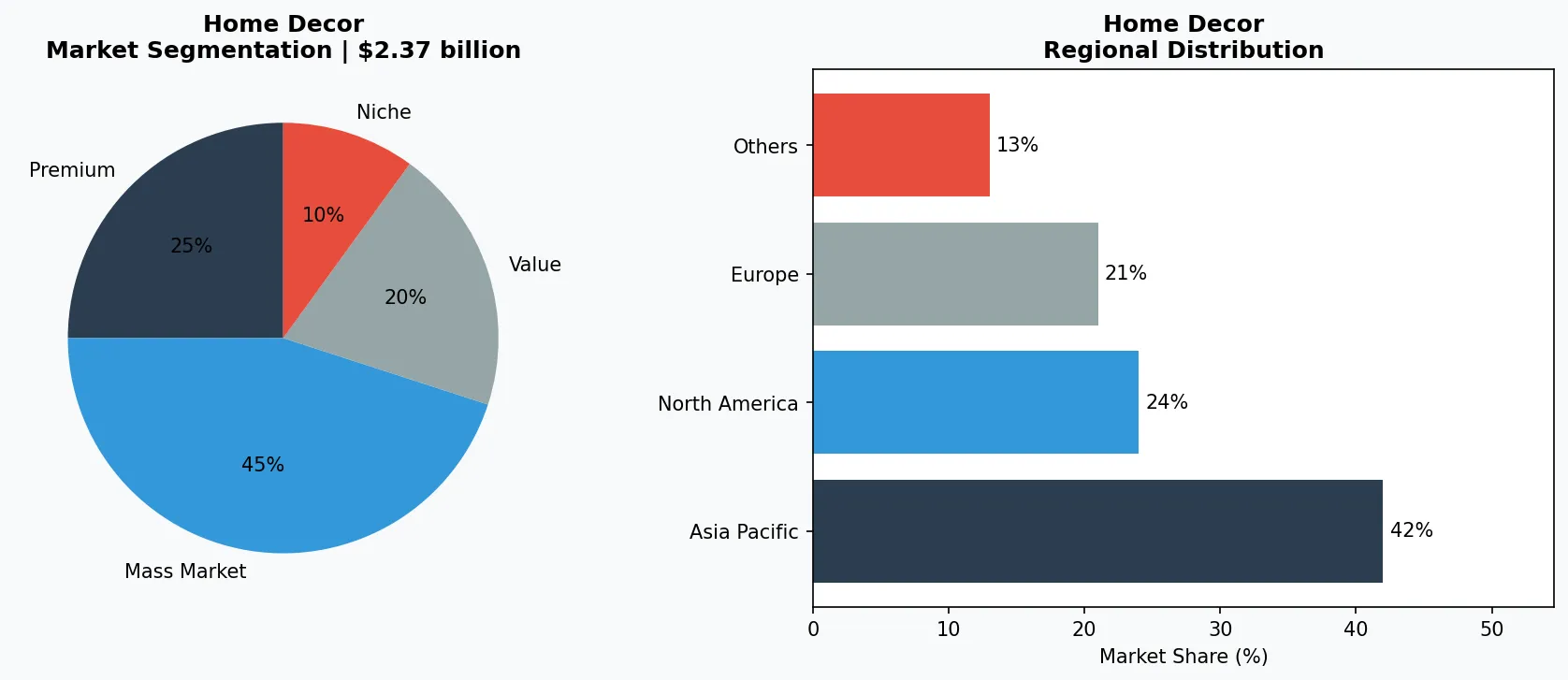
Market segmentation and regional distribution analysis for Picture Frames & Wall Gallery.
3. Product Categories
The picture frames and wall gallery market can be organized into three distinct product types. First, custom framing systems. These are modular, interchangeable frame profiles that allow consumers to build a cohesive gallery wall over time. Key examples include Nielsen Bainbridge's metal frame systems and Larson-Juhl's wood profile collections. These systems use standardized hardware and joining methods, enabling consumers to add frames incrementally without visual inconsistency. Second, ready-made gallery sets. These are pre-curated collections of frames in coordinated sizes, colors, and profiles, sold as a single SKU for instant wall installation. Companies like Framebridge and Pottery Barn have popularized this approach, offering sets of 3-9 frames designed to create a balanced composition. The key innovation here is the 'layout template'—a paper or digital guide showing exactly where each frame should hang. Third, unframed art systems. This emerging category responds to the trend toward unframed art, which designer Steven describes as 'more immediate and less formal.' Products include magnetic hanging systems, floating acrylic clips, and tension wires that display art without traditional frames. The appeal is a lower cost barrier and a more casual, rotating gallery approach. Each product type serves a different consumer mindset: custom framing for permanence, gallery sets for convenience, and unframed systems for flexibility.
Custom Moulding Systems
Interchangeable frame profiles like Nielsen Bainbridge's metal systems or Larson-Juhl's wood collections, designed for incremental gallery wall building with consistent aesthetics.
Pre-Curated Gallery Sets
Coordinated multi-frame kits sold with layout templates, such as Framebridge's 'Gallery Wall in a Box' or Pottery Barn's curated collections of 3-9 frames.
Unframed Display Systems
Magnetic hangers, acrylic clips, and tension wire systems that display art without traditional frames, catering to the trend toward casual, rotating wall galleries.
4. Leading Players
Three archetypes dominate the picture frames and wall gallery space. The first is the custom framing specialist, exemplified by Framebridge. Founded in 2014, Framebridge disrupted the traditional frame shop model by offering online ordering with free sample swatches and a simple pricing structure. Their strategy is convenience without sacrificing quality—they use museum-grade materials but deliver in 7-10 days. Their market position is strongest among millennial homeowners who value speed and transparency over the traditional frame shop experience. The second archetype is the luxury materials player, led by Larson-Juhl. As a 100+ year old company, Larson-Juhl supplies custom frame shops and interior designers with premium wood and metal profiles. Their competitive advantage is material depth—they offer over 1,000 moulding options, including FSC-certified woods, hand-finished gold leaf, and eco-friendly composites. They have successfully pivoted to serve the wall gallery trend by creating coordinated 'collection' lines that ensure multiple frames look intentional together. The third archetype is the platform aggregator, represented by FramedArt.com. Their strategy is to bridge the gap between art content and framing. They offer thousands of ready-to-frame prints, then upsell custom framing at checkout. This creates a higher average order value and a seamless customer journey. Their wall gallery trend reports—including the 2026 forecast of unframed art and soft curves—position them as a thought leader while driving product sales.
Digital-First Custom Framer
Framebridge uses an online order model with free samples and 7-10 day delivery to capture millennial homeowners who value convenience over traditional frame shop experience.
Luxury Materials Specialist
Larson-Juhl leverages 1,000+ moulding options and FSC-certified materials to serve interior designers and custom frame shops seeking premium, coordinated gallery solutions.
Art-to-Frame Aggregator
FramedArt.com bridges art content and framing by offering prints with upsold custom framing, using trend reports to drive product sales and higher average order values.
5. Market Trends
1. SUSTAINABLE WOODS AND BIO-BASED FINISHES
Consumers are demanding frames made from FSC-certified hardwoods, reclaimed barn wood, and rapidly renewable materials like bamboo. This matters because 62% of home decor buyers under 40 say sustainability influences their purchase decisions. Larson-Juhl now offers a 'Renew' collection using 100% post-industrial recycled wood fiber. SOFT CURVES AND ORGANIC SHAPES
2. ORGANIC AND ASYMMETRICAL FRAME SHAPES
After years of minimalist black, white, and natural wood, consumers are embracing saturated hues—deep emerald, cobalt blue, and burnt orange. This is driven by the 'maximalism' movement in interior design. FramedArt.com's 2026 trend report highlights 'color-drenched frames' as a top category, with sales of colored frames up 28% year-over-year. UNFRAMED ART
3. UNFRAMED ART DISPLAYS
As designer Steven notes, unframed art 'feels fresh because it's more immediate and less formal.' This trend manifests in clip frames, magnetic hangers, and art displayed directly on shelves or leaning against walls. It matters because it lowers the cost of entry to wall galleries and encourages frequent rotation. Framebridge launched a 'No Frame' line in late 2025, offering acrylic mounting with visible edges as a deliberate aesthetic choice.
6. Regional Markets
North America: Custom Framing Dominance
The U.S. accounts for the largest share of the $2.37B market, driven by high disposable income and a strong culture of home personalization. Custom framing represents 45% of revenue despite being only 20% of unit volume.
Europe: Sustainability Leadership
EU regulations on deforestation and chemical finishes are pushing manufacturers toward FSC-certified woods and water-based coatings. Scandinavian brands lead in minimalist, sustainable frame designs.
Asia-Pacific: Rapid Urbanization Demand
China and India are seeing a surge in wall gallery adoption among middle-class urban consumers. Local manufacturers are competing on price, while international brands target premium segments in Shanghai and Mumbai.
7. Investment Outlook
Two opportunities stand out for the picture frames and wall gallery market through 2026. First, the 'subscription gallery' model: companies can offer monthly or quarterly art prints paired with interchangeable frame systems, creating recurring revenue. Second, the commercial office segment: as companies redesign workspaces for hybrid employees, demand for large-scale framed art and branded gallery walls will grow. The primary risk is the rising cost of raw materials. Hardwood prices have increased 18% since 2023, and specialty glass for UV-protective framing is up 12%. Brands that cannot pass these costs to consumers may see margin compression. The winners will be those who use material innovation to justify premium pricing, and those who build direct-to-consumer relationships that reduce reliance on wholesale channels.
Strategic Considerations:
- Technology & AI Integration: Artificial intelligence and IoT are revolutionizing production efficiency, quality assurance, and demand forecasting across the supply chain.
- Sustainability as Business Strategy: Regulatory pressure and consumer expectations are making environmental commitments essential, not optional.
- Transparency & Traceability: Consumers demand increasingly granular information about product origins, ingredients, and production methods.
- Emerging Market Penetration: Africa, Latin America, and second-tier Asian cities represent the next wave of volume growth.
Make Informed Decisions in the Picture Frames & Wall Gallery Market
Product quality and sourcing integrity directly impact business outcomes. Discover how Verity Rank's verification platform helps industry participants source with greater confidence.
Contact Verity Rank TodayFurther Reading: Explore additional market intelligence from Grand View Research and Mordor Intelligence.
This article is for informational purposes only, based on publicly available industry data and market reports as of 2026-05-15. All market figures are estimates and may vary from actual results.